
Call us now :08045803686
 Send Inquiry
 Send Inquiry
Soft Jaws
MOQ : 1 Piece
Soft Jaws Specification
- Shape
- STD. - Rectangle
- Type
- Turning
- Usage
- CNC turning
- Material
- MS
- Size
- mm
- Height
- 40 Millimeter (mm)
- Surface
- Blacking
- Product Type
- Soft Jaw
- Weight
- 3- 100 Kilograms (kg)
- Use
- CNC Turning
- Application
- Turning / milling
- Length
- 85 Millimeter (mm)
- Width
- 40 Millimeter (mm)
Soft Jaws Trade Information
- Minimum Order Quantity
- 1 Piece
- Supply Ability
- 100 Pieces Per Day
- Delivery Time
- 2-7 Days
About Soft Jaws
Owing to our huge infrastructure facility, we are able to manufacture, supply and export top quality Soft Jaws. These jaws are manufactured by our team members, following all the norms and parameters laid by the industry. Owing to its non-corrosive nature and accurate dimensions, these jaws are widely demanded by various industries across the market. Moreover, these jaws are quality examined by our high-ranking officials to ensure excellent performance and longer service life. Our clients can avail these Soft Jaws in many sizes and shapes at market leading prices.
Other details:
The following soft jaws in flat as well as pointed typed are manufactured.
- 1.5mm x 60o serrations - These are suitable for Kitagawa, Pratt Burnerd, Howa, Schunk, etc chucks.
- 1/16" x 90o serrations.
- Various types of serrations like 1.5mm x 60o, 2mm x 60o, 2.5mm x 60o, 3mm x 60o, 3/32 x 90o, etc also manufactured.
- Tongue & groove type / Tenon type soft jaws.
- Teeth type soft jaws.
Hard Jaws
Hardness - HRC 58-60
Hard jaws with 1 or with 2 steps and the types as follows manufactured
- 1.5mm x 60o serrations - These are suitable for Kitagawa, Pratt Burnerd, Howa, Schunk, etc chucks.
- 1/16 x 90o serrations
- Facilities available to manufacture any serration be it 1.5mm x 60o, 2mm x 60o, 2.5mm x 60o, 3mm x 60o, 3/32 x 90o, etc
- Tongue and groove type hard jaws also known as tenon type hard jaws
- Teeth type hard jaws - for scroll operated chucks.
- Hard jaws as per customer drawings / requirements - special as well as standard.
Precision-Engineered for CNC Turning and Milling
Designed to meet rigorous industry standards, our Soft Jaws provide a reliable hold for various CNC turning operations. Their precise dimensions and STD-rectangle profile enable a secure fit, protecting both machinery and components.
Exceptional Durability with Blacking Treatment
With a robust blacking surface finish, these jaws resist corrosion and wear. This treatment enhances tool life, ensuring consistent quality and reducing the frequency of replacements in demanding machining environments.
Versatile Applications for Industrial Needs
Whether used in turning or milling, our Soft Jaws accommodate a wide weight range (3100 kg) and can be adapted to different setups. These jaws are trusted by manufacturers across India for their flexibility and enduring performance.
FAQs of Soft Jaws:
Q: How are these soft jaws used in CNC turning and milling processes?
A: The soft jaws are mounted onto CNC chucks, securely holding the workpiece during turning or milling. They are often machined to the precise shape required for the specific part, ensuring accurate positioning and minimizing marking or damage.Q: What materials are these soft jaws made from and why?
A: Our soft jaws are manufactured from MS (Mild Steel), chosen for its machinability, strength, and cost-effectiveness. This material ensures that the jaws can be custom-shaped as needed while providing a sturdy grip.Q: When should I consider using soft jaws instead of hard jaws?
A: Soft jaws are ideal when you require a custom fit for a workpiece or need to prevent damage and marking during machining. They are particularly useful for repeated runs or delicate parts that require precise, gentle clamping.Q: Where are these soft jaws manufactured and supplied from?
A: We are based in India, operating as an exporter, manufacturer, and supplier of high-quality soft jaws for CNC turning and milling applications, catering to both domestic and international markets.Q: What is the process of installing and shaping soft jaws for specific jobs?
A: To use soft jaws, they are first mounted onto the machine chuck. The operator then machines the clamping surface to match the parts profile, ensuring optimal fit and precision during production.Q: How can using these soft jaws benefit my machining operations?
A: Soft jaws enhance accuracy and repeatability, reduce the risk of part deformation, and decrease setup time for repetitive jobs. They also minimize wear on the workpiece, resulting in improved quality and lower scrap rates.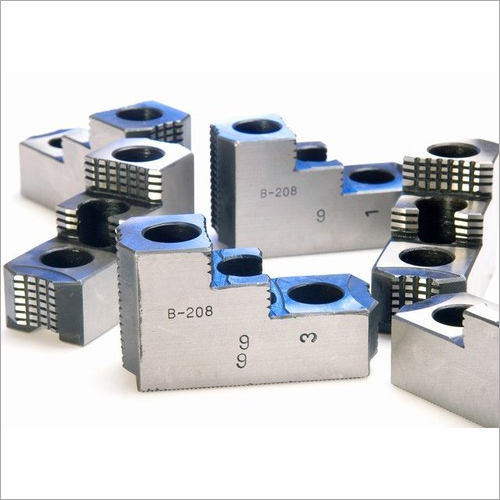
Tell us about your requirement

Price:
Quantity
Select Unit
- 50
- 100
- 200
- 250
- 500
- 1000+
Additional detail
Mobile number
Email

More Products in CNC Machined Components Category
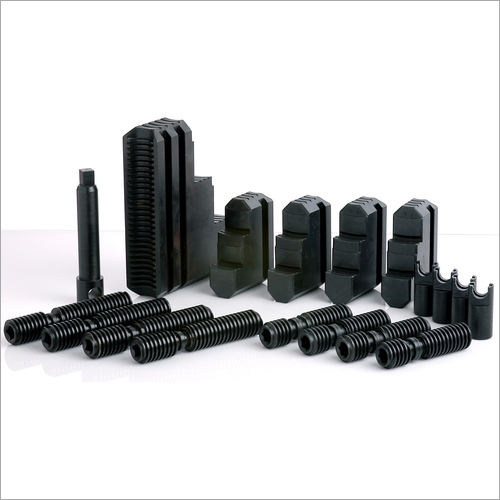
Jaw Spares Parts
Price 550-250000 INR / Piece
Minimum Order Quantity : 1 Piece
Method : Machined to exact specifications
Surface : Other , Polished
CNC : Yes
Machine Type : CNC Lathe, Power Chuck, Turning Center
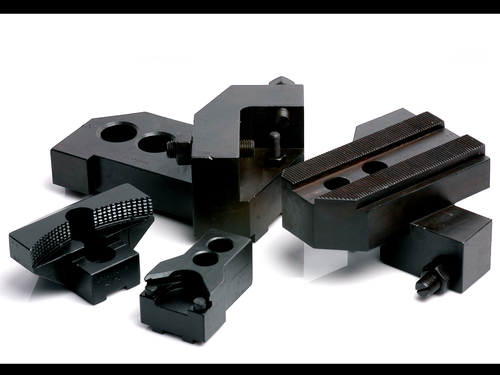
Cnc Soft Jaws
Minimum Order Quantity : 1 Piece
Method : Clamping via chuck mounting bolts
Surface : Other , Ground finish
CNC : Yes
Machine Type : CNC lathe, CNC turning center
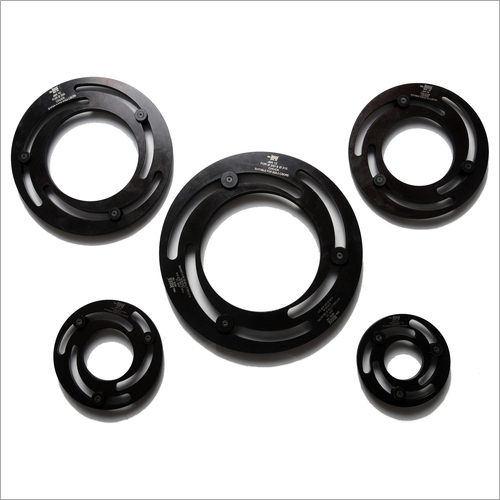
Jaws Boring Rings
Price 550-250000 INR / Piece
Minimum Order Quantity : 1 Piece
Method : Mechanical locking
Surface : Other , Polished
CNC : Yes
Machine Type : CNC Lathe

CNC Jaws Spares
Minimum Order Quantity : 1 Piece
Method : CNC Machined
Surface : Other , Polished
CNC : Yes
Machine Type : Lathe, CNC turning center

 Send Inquiry
Our Products


103, Ramtekdi Industrial Area, Hadapsar,Pune - 411013, Maharashtra, India

Mr J. K. Kakkad
(Proprietor)
Mobile :08045803686
 Send Inquiry
 Send SMS
Developed and Managed by Infocom Network Private Limited.


 English
 Spanish
 French
 German
 Italian
 Chinese (Simplified)
 Japanese
 Korean
 Arabic
 Portuguese